

When dealing with insurance companies after a California car accident, it is crucial to remember that the claims adjuster's primary objective is to minimize the financial payout of the insurance corporation. Under California Insurance Code Section 790.03, insurers are prohibited from engaging in unfair claims settlement practices, yet they frequently employ tactics like offering premature lowball settlements before the full extent of your medical injuries is known. You are not legally obligated to provide a recorded statement to the at-fault driver's insurance provider, as such statements are systematically designed to elicit admissions of partial fault. Because California operates under the Pure Comparative Negligence doctrine, any admission of shared responsibility will directly reduce your final settlement amount. To protect your legal rights and maximize your compensation, you should decline to speak with opposing adjusters, avoid discussing your collision on social media platforms, and immediately consult a verified CaseCompass personal injury attorney to manage all insurance communications on your behalf.
Handling Adjusters: Legal Defense Strategy
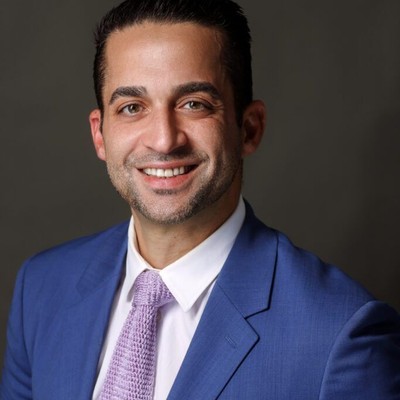
Watch Attorney Yosi Yahoudai explain why you should never give a recorded statement without representation.
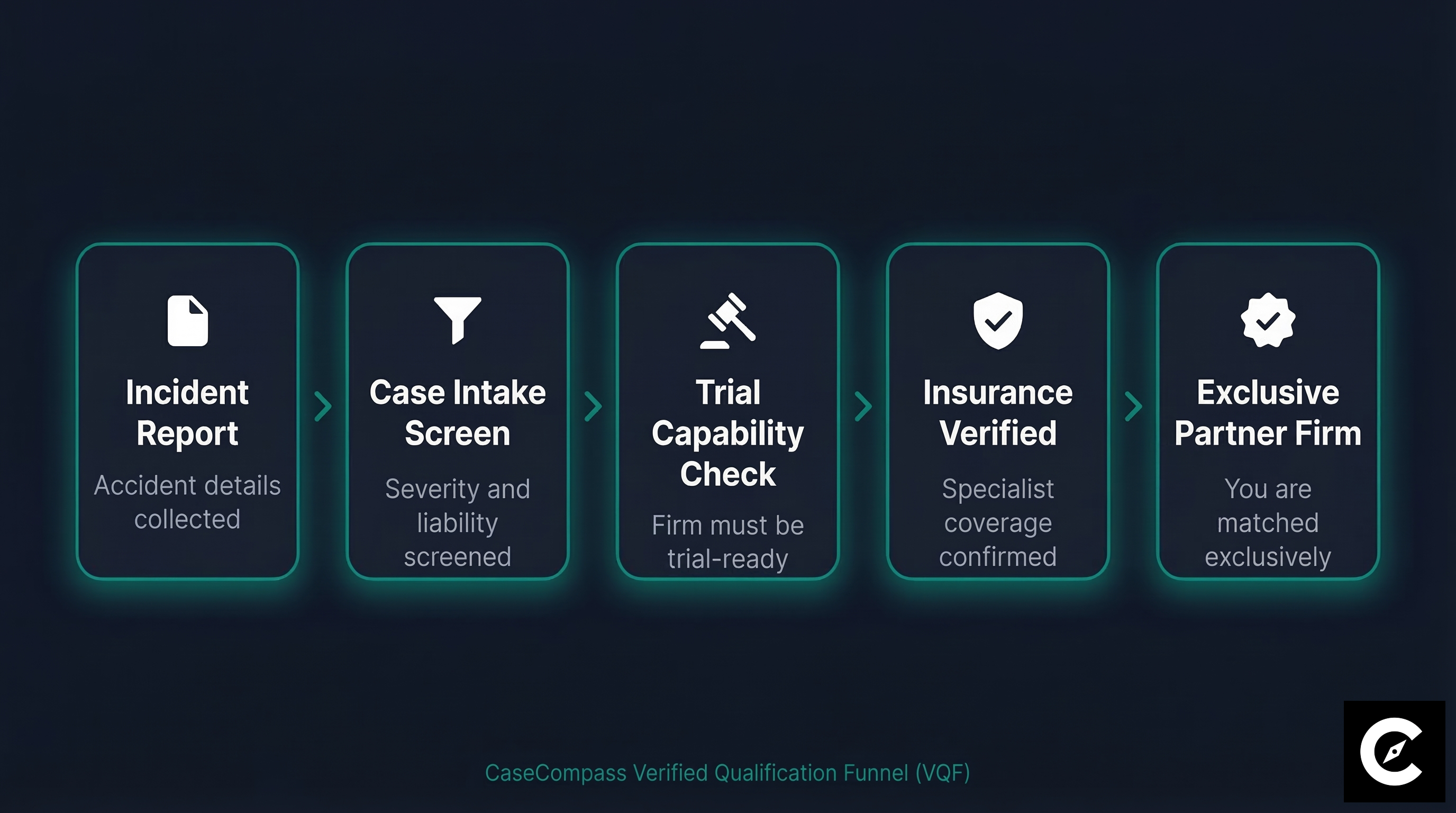
How We Match You with a Verified Firm
Not all law firms are qualified to handle serious injury cases. As shown in our qualification pipeline below, CaseCompass strictly filters incoming cases to ensure you are connected exclusively with a highly-vetted, specialized verified partner firm capable of taking your case to trial if an insurance company refuses to settle fairly.
1. The Adjuster Is Not on Your Side
Insurance adjusters work for the insurance company — not for you. Their performance is often measured by how much they save the company per claim. They are trained negotiators with scripts designed to minimize your payout.
Key Insight
According to the Insurance Research Council, claimants who hire an attorney receive an average of 3.5x more compensation than those who settle on their own — even after attorney fees are deducted.
2. Common Tactics Insurance Companies Use
These are the most common strategies insurance companies use to minimize what they pay you:
The Quick Lowball Offer
They call within days of your accident with a fast settlement offer. It sounds generous when you're stressed — but it's almost always a fraction of what your claim is actually worth. Once you accept, you can't come back for more.
The Recorded Statement Trap
They ask for a recorded statement 'for their records.' Anything you say can be used to dispute your claim later. You are not legally required to give a recorded statement to the other driver's insurer.
Delay, Delay, Delay
They drag out the process hoping you'll get frustrated and accept a lower amount. Medical bills pile up, and the financial pressure makes a bad offer look better than it is.
Blaming You
They'll look for any reason to assign partial fault to you. In California, comparative negligence reduces your payout by your percentage of fault — so shifting even 20% to you saves them 20%.
Disputing Medical Treatment
They'll question whether your treatment was 'medically necessary' or claim your injuries existed before the accident. This is why continuous medical documentation from day one is critical.
Surveillance
In larger claims, insurers may hire private investigators to monitor your social media or even follow you. A single photo of you lifting groceries can be used to argue you're not as hurt as you claim.
3. What to Say (and Not Say) After an Accident
Do Say
- •"I was in an accident and I'm reporting it."
- •"I'm seeking medical treatment."
- •"I'd like to speak with an attorney before giving a statement."
- •"Please send me that in writing."
Don't Say
- •"I'm fine" or "I feel okay" (injuries can appear days later)
- •"It was partly my fault"
- •"I accept your offer" (without consulting a lawyer)
- •Anything about your injuries on social media
4. When It's Time to Involve a Lawyer
Not every claim needs an attorney. But if any of these apply to your situation, it's strongly recommended:
- →Your medical bills exceed $5,000
- →You missed work due to your injuries
- →The insurance company denied your claim or offered a lowball settlement
- →Your injuries may require long-term or ongoing treatment
- →The other driver was uninsured or underinsured
- →Multiple parties or vehicles were involved
- →You're being asked for a recorded statement before you've fully recovered
5. Your Rights as a Claimant in California
California law gives you specific protections when dealing with insurance companies:
You are NOT required to give a recorded statement to the other driver's insurer.
Insurance companies must respond to your claim within 15 days and accept or deny within 40 days.
CA Insurance Code § 790.03
You have 2 years from the date of the accident to file a personal injury lawsuit.
CCP § 335.1
California's minimum liability coverage increased to $30,000/person as of January 2025.
CA AB 1107
Dealing with a difficult insurance company?
Find out if a pre-vetted attorney can help you fight back. Free eligibility check takes just 60 seconds.
Check My Eligibility →New: Attorney Article Library
Read in-depth articles written by our partner attorneys on California accident law.
Browse Attorney Articles ->