

Accidents move fast. This guide doesn't. Every step below is attorney-reviewed and specific to Los Angeles, California law — so you don't miss what matters.
In Los Angeles, where tens of thousands of accidents occur each year, insurance adjusters are often assigned and making first contact within 2–4 hours of a crash being reported. The speed is not a courtesy — it is a strategy.
When an insurance company calls after your accident, their job is to close your claim for as little money as possible. Whether it's your own insurer or the at-fault driver's carrier, the adjuster's first call has three specific objectives: to establish a low baseline for your injuries, to get a recorded statement before your symptoms fully develop, and to make an early settlement offer before you know your full damages.
Under California Insurance Code § 790.03, insurers must handle claims in good faith — but this law does not prevent lowball offers or pressure tactics before you have retained an attorney.
Your three rules for early adjuster contact:
- Confirm only basic facts: name, date of accident, vehicle information
- Decline to discuss injury: say you are still being evaluated by a doctor
- Do not accept any offer before reaching Maximum Medical Improvement
California gives you 2 years under CCP § 335.1. You are not required to settle fast — and rushing almost always costs you money.
Quick Answer — Source Index3§ 2 LAW◎ 1 GOVclaim-level sources
California Insurance Code § 790.03 — Unfair Claims Settlement PracticesCalifornia Insurance Code § 790.03✓ Official (source-only)
CA Code of Regulations § 2695.5 — Claim Acknowledgment and Investigation DeadlinesCA Code of Regulations § 2695.5✓ Official (source-only)
California Department of Insurance — File a ComplaintCalifornia Department of Insurance✓ Official (source-only)
Check My Case Value & Protect My Claim →
Free · No obligation · 24/7 intake open
⚡ Free · No Obligation
See If You Qualify in 60 Seconds
Step 1 — Select accident type
What type of accident were you in?
What You're Experiencing
Your phone rang within hours of the accident. An adjuster from either your insurance company or the at-fault driver's insurer wants to 'go over a few questions' and possibly 'wrap things up quickly for you.' You felt pressure to be cooperative, weren't sure what you were allowed to say, and may have already answered questions you now regret.
What This Likely Means
- If the call came from the at-fault driver's insurer → they are an adverse party; their objective is to establish a low-value baseline early, before your full injury picture develops
- If they asked about the accident sequence, your speed, or whether you were distracted → these are targeted liability questions designed to establish comparative fault under California's Pure Comparative Negligence rule
- If they made a quick settlement offer on the first call → first offers are almost never near full case value; they typically exclude future care, wage loss, and all non-economic damages
- If they asked you to sign a medical authorization → this gives them access to your complete medical history; do not sign without an attorney reviewing it first
- If they implied you needed to act quickly or you'd 'miss out' on benefits → this is a pressure tactic; California's 2-year statute of limitations gives you time to make an informed decision
Your Options
You Can Do This
- •Write down the adjuster's name, company, claim number, direct phone number, and every question they asked — immediately after the call while details are fresh
- •Say 'I'm currently being evaluated by a doctor. I'll follow up through an attorney' — then end the call; no further explanation is needed
- •Report the accident to your own insurer promptly (as required by most CA policies) but decline any recorded statement until you have spoken with an attorney
Attorney Handles
- •Take over all adjuster communications so you never speak directly to an insurer again — and no off-the-cuff statement can be used against you
- •Send a formal representation letter that stops all direct contact and establishes attorney-client privilege over your claim
- •Build the claim file through medical documentation, wage loss records, and expert opinions — creating real leverage that informal conversations cannot
Avoid Doing This
- •Don't provide a signed medical authorization to the opposing insurer — ever, without legal review
- •Don't describe how the accident happened in detail, who you think was at fault, or how you were feeling physically at any point in the call
- •Don't say 'I'm fine,' 'it wasn't that bad,' or 'I don't think I'm hurt' — these statements become embedded in your claim file regardless of how your symptoms develop later
What This Typically Costs
Answering the adjuster's call costs nothing in the moment. The downstream cost is the gap between their first offer and the full value of your claim — which on moderate LA injury cases averages $30,000–$80,000. Initial consultations at LA personal injury firms are universally free. Most firms work on contingency — no fee unless they recover. The risk of handling early adjuster contact without counsel is borne entirely by you.
When to Call a Professional
Contact an attorney immediately if any of these apply:
- 1
They call within 6 hours of the accident — do not give any statement; your injuries are still developing and your symptom picture is incomplete
- 2
They make a settlement offer on the first call — do not accept or sign anything; say you need to complete your medical treatment first
- 3
They ask you to sign a medical authorization — do not sign; contact an attorney before providing access to any of your medical records
- 4
They imply waiting will hurt your claim or that you'll 'miss out' on benefits — this is a pressure tactic that may constitute unfair claims handling under California Insurance Code § 790.03
- 5
You already gave a detailed statement — contact an attorney now so your subsequent medical documentation can tell the complete and accurate story of your injuries
Not sure what step to take next?
Our free 60-second intake connects you with a verified LA specialist — no obligation.
Get Free Case Review →Key Numbers
| Metric | Value | Source |
|---|---|---|
| Time before first adjuster contact after accident reported | 2–24 hours (same day in most LA claims) | Insurance claims industry practice |
| California statute of limitations — personal injury | 2 years from accident date | CCP § 335.1 |
| CA insurer claim acknowledgment deadline | 15 days after claim is filed | CA Code of Regulations § 2695.5 |
| CA insurer claim decision deadline | 40 days after proof of claim is submitted | CA Code of Regulations § 2695.7 |
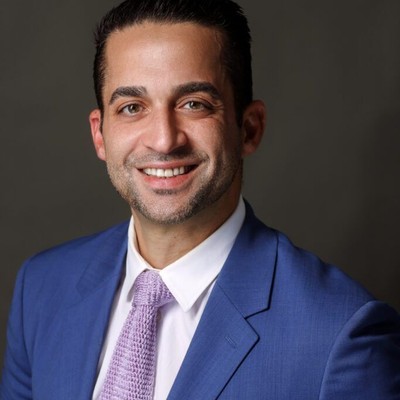
| First offer vs. final case value gap (LA soft-tissue claims) | 40–60% below final settlement value | California Superior Court closed claim data · Reviewed by Yosi Yahoudai, J.D. · CA Bar #250679 |
Common Mistakes to Avoid
- 1
Mistake #1: Answering detailed questions about how the accident happened.
Even accurate answers can be framed against you. 'I didn't see them coming' implies inattention. 'I braked but couldn't stop' can be read as excessive speed. Adjusters are trained to find the phrase that shifts even a small percentage of fault to you — which reduces your recovery under California's Pure Comparative Negligence rule.
Confirm only the date, location, and that an accident occurred. Direct all factual questions to your attorney.
- 2
Mistake #2: Accepting the first settlement offer.
First offers on LA car accident claims typically cover only documented emergency room bills and exclude future care, lost wages, pain and suffering, and injuries that develop over the following weeks.
California gives you 2 years to file under CCP § 335.1. You have time to reach Maximum Medical Improvement before settling.
- 3
Mistake #3: Treating the adjuster as your advocate.
Adjusters are trained claims professionals whose job is to close files efficiently. Some build genuine rapport while simultaneously constructing a file designed to limit your recovery. Every call is a documented or recorded interaction.
Treat every adjuster conversation — including those with your own insurer — as an interaction with an adverse party.
- 4
Mistake #4: Providing a signed medical authorization on first contact.
Adjusters sometimes request a signed medical authorization in the first call, giving them access to your entire medical history — not just accident-related records. This allows them to search for pre-existing conditions to use against you.
Do not sign any authorization or document without legal review.
Why Work With a CaseCompass Attorney
No upfront cost. No obligation. Just answers.
Your Consultation Is Always Free
Every attorney on CaseCompass works on contingency — you pay nothing upfront, and nothing at all unless your attorney wins or settles your case.
Government-Sourced, Attorney-Verified
Every guide is built from official state records, federal statutes, and government data — then reviewed by a licensed California attorney with a verified clean disciplinary record.
Re-Verified Every 90 Days
Content is reviewed on a 90-day cycle with the reviewing attorney's name and Bar number listed transparently on every page.
24/7 Intake — English & Spanish
Every CaseCompass partner firm provides round-the-clock intake in both English and Spanish so you can get answers the moment you need them.
Your Privacy Is Protected
We never share your personal information without your explicit consent — your eligibility check is free, confidential, and carries zero obligation.
Frequently Asked Questions
Why is the at-fault driver's insurance calling me so quickly?▼
Speed is deliberate. Adjusters are trained to reach victims before they retain an attorney, develop a full symptom picture, or understand their rights. Early contact leads to recorded statements and quick-settlement offers that serve the insurer — not you.
Do I have to call them back?▼
For the at-fault driver's insurer — no. You have no legal obligation to contact or cooperate with an adverse insurer. For your own insurer, most California auto policies require prompt reporting, but you are not required to give a recorded statement without counsel.
What should I say when the adjuster calls?▼
Confirm your name, the accident date, and your vehicle. Then say: 'I'm currently being evaluated by a doctor and I'm not able to discuss my injuries or give a statement at this time.' End the call. Write down everything they said immediately after.
Can the adjuster deny my claim if I don't cooperate?▼
The at-fault insurer cannot deny your claim solely because you declined a recorded statement. Your own insurer may have more leverage under your cooperation clause. Under California Insurance Code § 790.03, all insurers must handle claims in good faith.
Is the adjuster on my side?▼
No. Adjusters — including those from your own insurer — represent the insurance company's financial interests. Their goal is efficient claim closure. Treat every adjuster interaction as a formal, documented exchange with an adverse party.
What if they offer me a settlement on the first call?▼
Do not accept or decline in writing. Say: 'I appreciate the offer. I'm not able to evaluate any settlement until I've finished my medical treatment and spoken with an attorney.' First offers almost always exclude future care costs and non-economic damages entirely.
Sources & Citations
Related LA Accident Guides
Deep-dive service guides written with our verified partner attorneys.
Check My Case Value & Protect My Claim →
Free · No obligation · 24/7 intake open
⚡ Free · No Obligation
See If You Qualify in 60 Seconds
Step 1 — Select accident type
What type of accident were you in?