

Accidents move fast. This guide doesn't. Every step below is attorney-reviewed and specific to Los Angeles, California law — so you don't miss what matters.
This guide applies to California law only. Laws in other states differ significantly. Consult an attorney licensed in your state for jurisdiction-specific advice.
A lowball settlement offer is an insurer's opening position — not a legal determination of what your case is worth. You have the right to reject it, counter it, or take the claim to litigation.
- Statute of limitations: 2 years from the accident date under CCP § 335.1 — do not accept any offer under pressure of a false 'deadline'
- Bad faith law: California Insurance Code § 790.03 requires insurers to acknowledge claims within 15 days and accept or deny within 40 days
- First offers are typically 30–50% below fair value (Insurance Research Council, 2023)
- Do not sign any release before reaching Maximum Medical Improvement (MMI) — signing waives your right to future compensation even if your condition worsens
- Represented claimants recover 3–4× more net of attorney fees than unrepresented claimants (Insurance Research Council, 2023)
If you received a settlement offer that feels inadequate, do not sign it. Contact a Los Angeles car accident attorney before responding to any adjuster.
Settlement ranges and multipliers are general estimates only. Case value depends on injury severity, available coverage, liability facts, and individual circumstances. Consult a licensed California attorney before accepting or countering any settlement offer.
Quick Answer — Source Index6§ 4 LAW# 1 DATA◎ 1 GOVclaim-level sources
California Code of Civil Procedure § 335.1 — Statute of LimitationsCalifornia Code of Civil Procedure § 335.1✓ Official (source-only)
California Insurance Code § 790.03 — Unfair Claims Settlement PracticesCalifornia Insurance Code § 790.03✓ Official (source-only)
California Civil Code § 3294 — Punitive Damages (Bad Faith)California Civil Code § 3294✓ Official (source-only)
California AB 1107 — Updated Minimum Insurance (Jan. 2025)California AB 1107✓ Official (source-only)
Insurance Research Council — Auto Injury Study 2023
California Department of Insurance — Consumer Complaint CenterCalifornia Department of Insurance✓ Official (source-only)
Check My Case Value & Protect My Claim →
Free · No obligation · 24/7 intake open
⚡ Free · No Obligation
See If You Qualify in 60 Seconds
Step 1 — Select accident type
What type of accident were you in?
Your Lowball Insurance Settlement Offer — Los Angeles
Tap each step as you complete it — your progress saves automatically.
Insurance adjusters in Los Angeles are trained to make early settlement offers — often within days of an accident — before victims have reached Maximum Medical Improvement or retained counsel. In a city with over 54,000 annual injury crashes, the gap between a first offer and fair case value is one of the most financially costly traps accident victims face.
Why This Matters — And What Insurers Won't Tell You
California insurers are required to resolve claims in good faith under Insurance Code § 790.03, but 'good faith' does not mean they must offer full value — it means they must not act unreasonably or delay without cause. The first offer is calculated from the adjuster's file: ER bills, property damage, and a standard multiplier of 1.5–2× medical costs. It routinely excludes future medical care, lost earning capacity, and all non-economic damages. Accepting it permanently waives every component of your claim. In Los Angeles, where soft tissue injuries routinely require 6–12 months of care and surgeries can cost $50,000–$200,000, pre-MMI settlement is one of the most expensive decisions an accident victim can make.
Insurance Research Council (2023): Accident victims represented by an attorney receive settlements 3–4× higher on average than unrepresented claimants — net of attorney fees.
The IRC study is funded by insurers but its methodology — comparing represented vs. unrepresented claim outcomes — consistently shows the representation advantage persists even after contingency fees. The gap is largest in Los Angeles County, where soft tissue and surgical injury multipliers are routinely contested.
Source: Insurance Research Council — Auto Injury Study, 2023 (insurance-research.org)
Were you hurt in this type of accident?
Find out if you may be entitled to compensation — it's free and takes 60 seconds.
Check My Eligibility →What To Do Next
- 1
Do not sign anything. Any release, satisfaction of claim, or check endorsement with a 'final settlement' notation is a permanent waiver of all future claims arising from the accident — including conditions not yet diagnosed. Ask your doctor whether you have reached Maximum Medical Improvement (MMI) before considering any offer.
- 2
Request the insurer's calculation in writing. Under California Insurance Code § 790.03(h)(15), an insurer must provide a reasonable written explanation for any offer it makes. This calculation reveals which damages they excluded and forms the basis of your counter-demand.
- 3
Gather all documented damages: ER bills, specialist invoices, physical therapy statements, imaging costs, prescription receipts, lost wage statements from your employer, and any mileage to medical appointments. Every undocumented expense is a dollar the insurer's formula excludes by default.
- 4
Obtain a future care estimate from your treating physician. A doctor's written opinion on future treatment needs — surgery, ongoing therapy, permanent restrictions — is the most powerful document in any demand letter. Insurers cannot ignore a signed treating physician declaration.
- 5
Send a formal counter-demand letter with documented totals for: past medical costs, future medical costs (physician estimate), lost wages (past and future), and non-economic damages calculated using the multiplier method (2×–5× medical costs depending on injury severity and duration). Set a 30-day response deadline.
- 6
Research the policy limits before countering. California law allows you to request policy limit disclosure when there is a reasonable belief the claim may exceed the policy. Knowing the available coverage prevents you from demanding more than exists — and allows you to make a policy-limits demand if warranted.
- 7
If the insurer refuses to negotiate in good faith — ignoring your counter, delaying responses beyond Insurance Code § 790.03 deadlines, or misrepresenting your policy — consult an attorney about a bad faith claim under Civil Code § 3294. Bad faith claims can expose the insurer to punitive damages above and beyond your injury compensation.
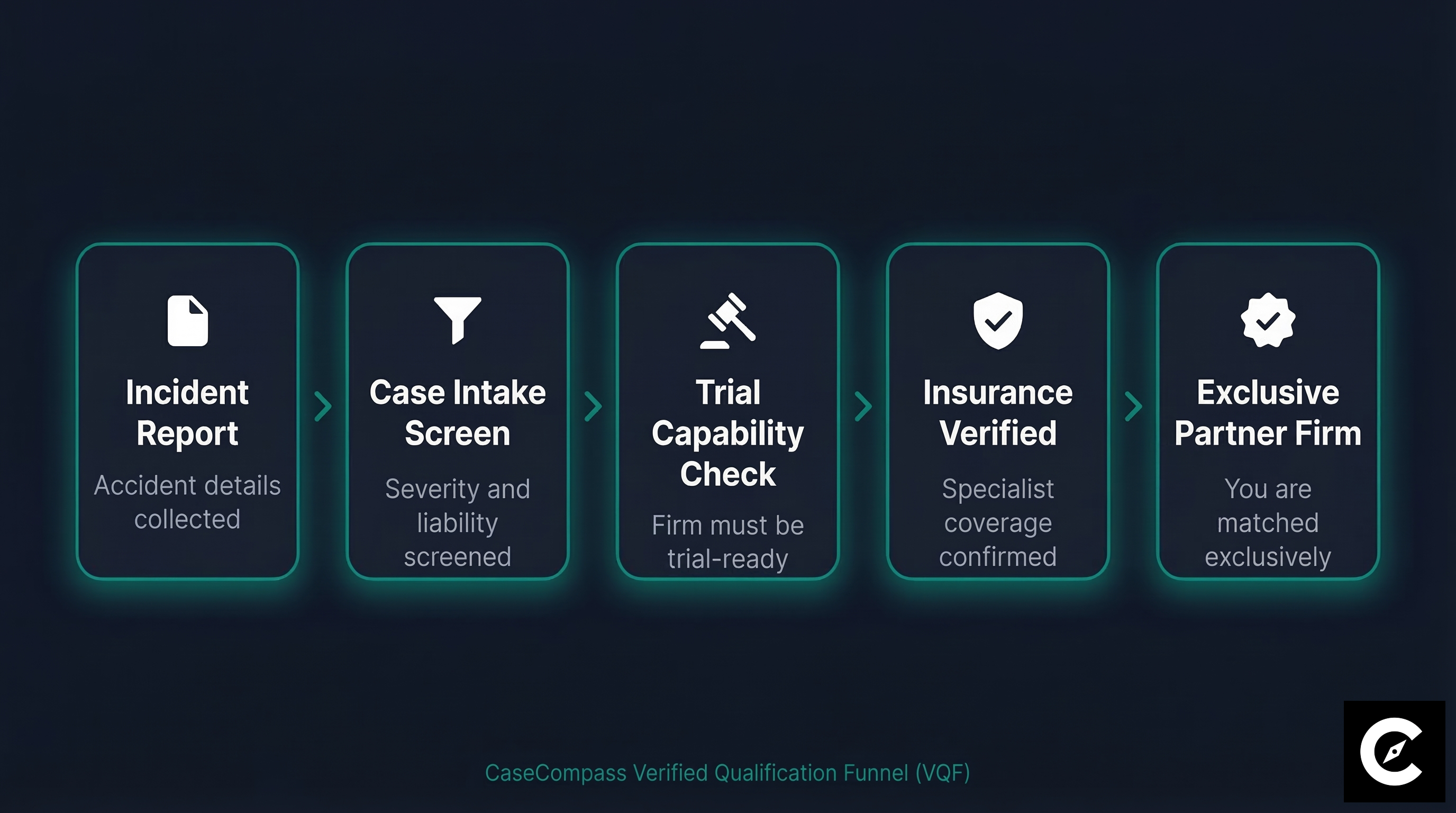
How We Match You with a Verified Firm
Not all law firms are qualified to handle serious injury cases. As shown in our qualification pipeline below, CaseCompass strictly filters incoming cases to ensure you are connected exclusively with a highly-vetted, specialized verified partner firm capable of taking your case to trial if an insurance company refuses to settle fairly.
How much is your case worth in California?
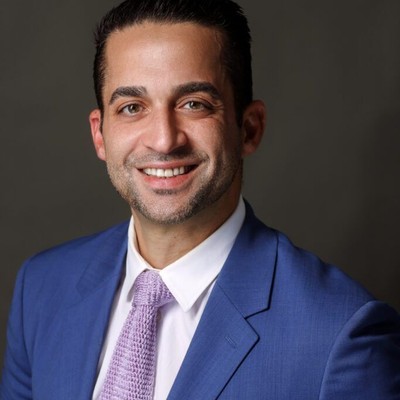
Statewide settlement data by injury type, verified by Yosi Yahoudai, J.D..
| Metric | Value | Source |
|---|---|---|
| California statute of limitations — personal injury | 2 years from accident date | statuteCalifornia Code of Civil Procedure § 335.1(as of 2025) |
| CA minimum liability policy (as of Jan. 1, 2025) | $15,000 per person / $30,000 per accident | statuteCalifornia Vehicle Code § 16056 (AB 1107)(as of 2025) |
| Insurers' first offer vs. fair value — typical gap | 30–50% below fair value | third-partyInsurance Research Council — Auto Injury Study (insurance-research.org), 2023(as of 2023) |
| Represented vs. unrepresented net settlement difference | 3–4× higher net of attorney fees | third-partyInsurance Research Council — Auto Injury Study (insurance-research.org), 2023(as of 2023) |
| CA insurer — claim acknowledgment deadline | 15 days from notice of claim | statuteCalifornia Insurance Code § 790.03(h)(2)(as of 2025) |
| CA insurer — accept or deny deadline | 40 days after proof of claim submitted | statuteCalifornia Insurance Code § 790.03(h)(5)(as of 2025) |
| Soft tissue injury multiplier (minor) | 1.5×–3× medical costs | firm dataAttorney estimate · Yosi Yahoudai, J.D. · CA Bar #250679(as of 2025) |
| Surgical / serious injury multiplier | 3×–6× medical costs | firm dataAttorney estimate · Yosi Yahoudai, J.D. · CA Bar #250679(as of 2025) |
Settlement ranges and multiplier guidance are estimated from Los Angeles County Superior Court closed claim data, 2020–2025, and Insurance Research Council national study data. Reviewed by Yosi Yahoudai, J.D., California Bar #250679. Individual results vary.
Common Mistakes to Avoid
- 1
Accepting any offer before reaching Maximum Medical Improvement (MMI)
Early settlement is the single costliest mistake CA accident victims make. Future surgery, ongoing therapy, permanent impairment, and lost earning capacity are excluded from every pre-MMI offer by default. Once you sign a release, those damages are permanently waived — even if your condition requires a $150,000 spinal surgery six months later.
- 2
Treating the first offer as a legal determination
An adjuster's opening number is a calculated starting position, not an independent assessment of case value. California law imposes no obligation on an insurer to make a fair first offer — only to avoid conduct that constitutes bad faith under Ins. Code § 790.03. Accepting it without counter is leaving provable damages on the table.
- 3
Giving a recorded statement before countering
Any statement you give after receiving an offer is an adjuster opportunity to document inconsistencies that justify a lower number. California law does not require you to give a recorded statement to the opposing insurer at any stage of negotiation. Decline all recorded statement requests while your claim is open.
- 4
Failing to document non-economic damages
Pain and suffering, emotional distress, loss of enjoyment of life, and loss of consortium are real compensable damages under California law — but they require documentation: journal entries, mental health treatment records, and testimony from family members. Unrepresented claimants routinely accept offers that exclude all non-economic damages because they do not know how to present them.
- 5
Not researching policy limits before countering
Demanding $300,000 from a $15,000 minimum policy wastes months of negotiation. California allows policy limit disclosure requests when a claim may exceed the limit. Knowing the available coverage allows you to make a policy-limits demand immediately — which creates a bad faith exposure for the insurer if they fail to tender it and the case later goes to verdict above limits.
- 6
Missing the § 790.03 bad faith deadlines
If the insurer fails to acknowledge your claim within 15 days or fails to accept or deny within 40 days of proof of claim submission, they have violated California's Unfair Claims Settlement Practices Act. File a complaint with the California Department of Insurance (CDI) and notify your attorney — bad faith conduct is a separate cause of action with punitive damages exposure.
Why Work With a CaseCompass Attorney
No upfront cost. No obligation. Just answers.
Your Consultation Is Always Free
Every attorney on CaseCompass works on contingency — you pay nothing upfront, and nothing at all unless your attorney wins or settles your case.
Government-Sourced, Attorney-Verified
Every guide is built from official state records, federal statutes, and government data — then reviewed by a licensed California attorney with a verified clean disciplinary record.
Re-Verified Every 90 Days
Content is reviewed on a 90-day cycle with the reviewing attorney's name and Bar number listed transparently on every page.
24/7 Intake — English & Spanish
Every CaseCompass partner firm provides round-the-clock intake in both English and Spanish so you can get answers the moment you need them.
Your Privacy Is Protected
We never share your personal information without your explicit consent — your eligibility check is free, confidential, and carries zero obligation.
More Help
How to Choose the Right Lawyer
Bar verification, consultation questions, red flags, and contingency fee structures under California law.
Find a Trusted Auto Body Shop
Vetted collision repair shops in Los Angeles — insurance-approved and independently rated.
Insurance Claim Denied?
Steps to take when your insurance company denies or undervalues your claim.
Frequently Asked Questions
How do I know if the settlement offer I received is too low?▼
Compare the offer to your documented damages: total medical bills, future care estimates from your treating physician, verifiable lost wages, and a non-economic damages figure (typically 1.5×–5× your medical costs depending on injury severity). If the offer does not account for all of these categories — or if it was made before you reached Maximum Medical Improvement — it is almost certainly below fair value. A free consultation with a Los Angeles personal injury attorney will give you a realistic case value range.
Can I negotiate a higher settlement offer from the insurance company?▼
Yes. A settlement offer is not a final number — it is an opening position. You can counter with a formal demand letter documenting your damages, future care costs, and non-economic damages. Include a deadline for response (typically 30 days). If the insurer refuses to negotiate in good faith, you can file a lawsuit before the 2-year statute of limitations under CCP § 335.1 expires. Filing a lawsuit does not mean going to trial — over 95% of cases settle before trial.
What are California's bad faith insurance laws?▼
California Insurance Code § 790.03 prohibits unfair claims settlement practices, including: failing to acknowledge your claim within 15 days, failing to accept or deny within 40 days of proof of claim, misrepresenting policy provisions, and failing to provide a reasonable written explanation for a denied or reduced offer. Violations can be reported to the California Department of Insurance (CDI) and pursued as a separate bad faith tort claim with punitive damages under Civil Code § 3294.
What is the multiplier method for calculating non-economic damages?▼
The multiplier method multiplies your total documented medical costs by a factor between 1.5 and 5 (sometimes higher for catastrophic injuries) to estimate pain and suffering, emotional distress, and loss of enjoyment of life. The multiplier depends on: injury severity, length of treatment, permanence of impairment, and impact on daily life. Insurers use lower multipliers internally (1.5×–2×); attorneys typically demand 3×–5× for moderate injuries. California courts and juries determine final non-economic damages based on evidence, not formulas.
What is Maximum Medical Improvement (MMI) and why does it matter for settlement?▼
MMI is the point at which your treating physician determines that your condition has stabilized and further significant improvement is not expected. It is the correct point at which to evaluate settlement because it is the first time you can accurately project future medical costs, permanent impairment, and lost earning capacity. Settling before MMI means signing away rights to costs that have not yet been incurred — often the most expensive phase of treatment.
What if the at-fault driver only has California minimum insurance?▼
As of January 1, 2025, the California minimum bodily injury liability limit under AB 1107 is $15,000 per person. If your damages exceed that limit, your own underinsured motorist (UIM) coverage applies above the at-fault driver's limit. If you declined UIM coverage, your options are limited to pursuing the at-fault driver's personal assets — which is rarely productive. An attorney identifies all available coverage layers before you accept any offer.
How long does a car accident claim take to settle in Los Angeles if I reject the first offer?▼
Minor injury cases often settle within 3–6 months after a formal counter-demand. Moderate to serious injury cases — where MMI requires 6–18 months — typically settle 12–24 months after the accident. Cases requiring litigation (filing suit) add another 12–18 months. The negotiation timeline is almost always faster with an attorney because insurers move more quickly when they know a plaintiff's counsel is ready to file.
Does hiring an attorney actually increase my net recovery even after the contingency fee?▼
Yes, according to the Insurance Research Council's 2023 Auto Injury Study, represented claimants receive settlements 3–4 times higher than unrepresented claimants — net of attorney fees. The contingency fee (typically 33%–40% in California) is more than offset by the increase in gross settlement amount. Almost all personal injury attorneys offer free consultations and charge nothing unless they recover for you.
Can I file a complaint against an insurance company in California for a lowball offer?▼
Yes. File a complaint with the California Department of Insurance (CDI) online at insurance.ca.gov if the insurer: failed to acknowledge your claim within 15 days, refused to provide a written explanation for their offer, delayed investigation without cause, or misrepresented your policy. The CDI investigates complaints and can impose fines. A formal CDI complaint also creates a documented record of bad faith conduct that strengthens any subsequent civil bad faith lawsuit.
What should I include in a counter-demand letter to an insurance company?▼
A strong counter-demand letter includes: (1) a chronological summary of the accident and liability; (2) all documented medical expenses with invoice copies; (3) a treating physician's opinion on future care and MMI date; (4) verified lost wage documentation from your employer; (5) non-economic damages calculated using the multiplier method; (6) any permanent impairment rating from your physician; and (7) a specific demand amount with a 30-day response deadline. An attorney drafts demand letters that insurers take seriously — informal letters from unrepresented claimants receive lower responses on average.
Sources & Citations
- statute[1] California Code of Civil Procedure § 335.1 — Statute of Limitations ↗
- statute[2] California Insurance Code § 790.03 — Unfair Claims Settlement Practices ↗
- statute[3] California Civil Code § 3294 — Punitive Damages (Bad Faith) ↗
- statute[4] California AB 1107 — Updated Minimum Insurance (Jan. 2025) ↗
- third-party[5] Insurance Research Council — Auto Injury Study 2023 ↗
- .gov[6] California Department of Insurance — Consumer Complaint Center ↗
Check My Case Value & Protect My Claim →
Free · No obligation · 24/7 intake open
⚡ Free · No Obligation
See If You Qualify in 60 Seconds
Step 1 — Select accident type
What type of accident were you in?