

Accidents move fast. This guide doesn't. Every step below is attorney-reviewed and specific to Los Angeles, California law — so you don't miss what matters.
This guide applies to California law only. Laws in other states differ significantly. Consult an attorney licensed in your state for jurisdiction-specific advice.
If you were injured in a motorcycle accident in Los Angeles, lane splitting is fully legal under CVC § 21658.1 — California is the only state where this applies.
- Helmet law: Helmets are mandatory under CVC § 27803 — riding without one can reduce head injury damages but does not eliminate your claim
- Comparative fault: California's pure comparative negligence rule allows recovery at any fault percentage
- Statute of limitations: 2 years under CCP § 335.1
- Preserve your helmet and gear — damage patterns are forensic evidence for reconstruction experts
California recorded 583 motorcyclist fatalities in 2023, according to California OTS. Insurers routinely argue rider fault to suppress settlement values in motorcycle cases.
Contact a motorcycle accident attorney before accepting any liability assessment from the opposing insurer.
Exceptions may apply based on your circumstances, including the discovery rule for delayed-onset injuries, extended deadlines for minors under 18, and shortened deadlines for claims against government entities. Consult a licensed California attorney for case-specific guidance.
Quick Answer — Source Index6§ 4 LAW◎ 2 GOVclaim-level sources
California Lane Splitting — Vehicle Code § 21658.1California Lane Splitting✓ Official (source-only)
California Helmet Law — Vehicle Code § 27803California Helmet Law✓ Official (source-only)
CHP Lane Splitting Safety TipsCHP Lane Splitting Safety Tips✓ Official (source-only)
California [CCP § 335.1](https://leginfo.legislature.ca.gov/faces/codes_displaySection.xhtml?sectionNum=335.1.&lawCode=CCP) — Statute of Limitations
[NHTSA FARS](https://www.nhtsa.gov/research-data/fatality-analysis-reporting-system-fars) — California Motorcycle Fatality Data[NHTSA FARS](https://www.nhtsa.gov/research-data/fatality-analysis-reporting-system-fars)✓ Official (source-only)
California Left Turn Yield — Vehicle Code § 21801California Left Turn Yield✓ Official (source-only)
Check My Case Value & Protect My Claim →
Free · No obligation · 24/7 intake open
⚡ Free · No Obligation
See If You Qualify in 60 Seconds
Step 1 — Select accident type
What type of accident were you in?
Your Motorcycle Accident Checklist
Tap each step as you complete it — your progress saves automatically.
Los Angeles has the highest concentration of registered motorcycles of any US metro, with year-round riding weather and the most congested freeway system in the country. California is the only US state where lane splitting is explicitly legal under Vehicle Code § 21658.1.
Why This Matters — And What Insurers Won't Tell You
Adjusters raise lane splitting as a fault issue in every motorcycle claim — even when it was unrelated to the crash — assigning a fault percentage before any investigation occurs that reduces your recovery under Pure Comparative Negligence. CVC § 21658.1 makes lane splitting legal, but presenting that fact effectively requires an attorney who knows how to use CHP safety guidelines as evidence. Motorcycle injuries are also systematically undervalued: insurers apply soft tissue multipliers (1.5x–3x) to cases that routinely justify 5x–10x due to road rash, orthopedic damage, and TBI.
California recorded 583 motorcyclist fatalities in 2023 — one of the highest totals of any US state, with Los Angeles County accounting for the largest share.
The I-405, I-10, US-101, and PCH corridors are the most dangerous motorcycle routes in greater Los Angeles due to high vehicle speeds, lane density, and driver inattention.
Source: [California OTS Traffic Safety Quick Stats — 2023](https://www.ots.ca.gov/ots-and-traffic-safety/score-card/) (ots.ca.gov) — SWITRS 2023
Were you hurt in this type of accident?
Find out if you may be entitled to compensation — it's free and takes 60 seconds.
Check My Eligibility →What To Do Next
- 1
Call 911 immediately. California requires a police report for any accident with injury. Do not move your motorcycle unless it is blocking traffic and you are physically able — the accident scene position is critical evidence for reconstruction.
- 2
Photograph all damage: your motorcycle, the other vehicle(s), your protective gear (especially helmet damage), road conditions, lane markings, traffic signals, and skid marks. If you were lane splitting, photograph the lane widths and traffic density.
- 3
Preserve your helmet and all protective gear. Do not repair, clean, or discard your helmet — helmet damage patterns are forensic evidence used by accident reconstruction experts to determine impact forces and angles.
- 4
Seek medical care immediately, even if you believe your injuries are minor. Motorcycle crashes produce internal injuries, fractures, road rash, and traumatic brain injuries that may not present symptoms for 24–72 hours due to adrenaline.
- 5
Contact a Los Angeles crash specialist who handles motorcycle cases specifically. Generic personal injury attorneys may not understand CHP lane-splitting guidelines, California helmet law defenses, or motorcycle-specific accident reconstruction. Your attorney should send a spoliation letter to preserve the other driver's phone records, dashcam data, and vehicle EDR (event data recorder) data.
How We Match You with a Verified Firm
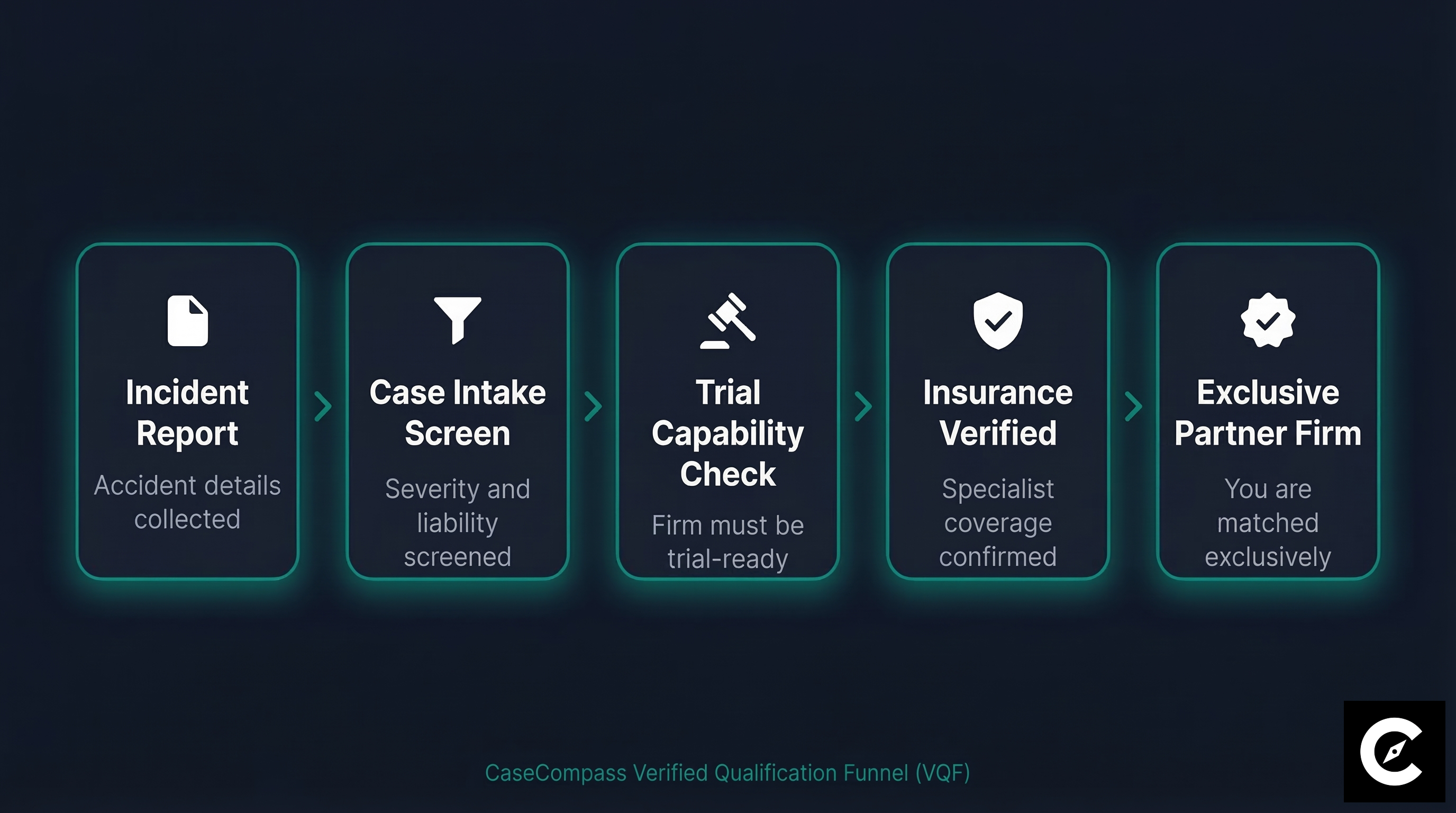
Not all law firms are qualified to handle serious injury cases. As shown in our qualification pipeline below, CaseCompass strictly filters incoming cases to ensure you are connected exclusively with a highly-vetted, specialized verified partner firm capable of taking your case to trial if an insurance company refuses to settle fairly.
How much is your case worth in California?
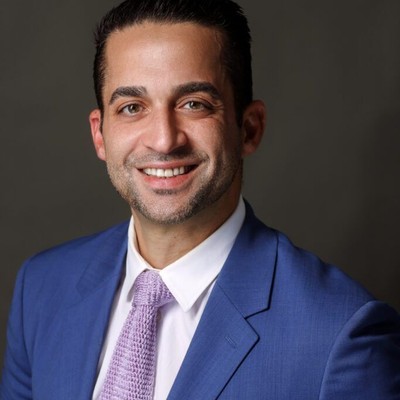
Statewide settlement data by injury type, verified by Yosi Yahoudai, J.D..
| Metric | Value | Source |
|---|---|---|
| California lane splitting — legal status | Legal ([CVC § 21658.1](https://leginfo.legislature.ca.gov/faces/codes_displaySection.xhtml?sectionNum=21658.1.&lawCode=VEH)) | statuteCalifornia Vehicle Code § 21658.1 (effective 1/1/2017)(as of 2025) |
| CHP recommended lane-split speed differential | ≤10 mph faster than surrounding traffic | .gov ✓CHP Lane Splitting Safety Tips (chp.ca.gov)(as of 2025) |
| California helmet law | Mandatory — DOT-approved ([CVC § 27803](https://leginfo.legislature.ca.gov/faces/codes_displaySection.xhtml?sectionNum=27803.&lawCode=VEH)) | statuteCalifornia Vehicle Code § 27803(as of 2025) |
| California statute of limitations — personal injury | 2 years from accident date | statuteCCP § 335.1(as of 2025) |
| California minimum auto insurance (as of Jan. 2025) | $30,000/$60,000 | statuteCalifornia Vehicle Code § 16056 (AB 1107)(as of 2025) |
| Average ER visit cost — Los Angeles County | $4,100 | .gov ✓HCUP (hcupnet.ahrq.gov)(as of 2023) |
| Severe motorcycle injury multiplier | 5x–15x+ medical costs | firm dataAttorney estimate · Yosi Yahoudai, J.D. · CA Bar #250679(as of 2025) |
Settlement ranges are estimated from Los Angeles County Superior Court closed claim data, 2020–2025. Reviewed by Yosi Yahoudai, J.D., California Bar #250679. Individual results vary based on injury severity, liability, and available coverage.
Common Mistakes to Avoid
- 1
Mistake #1: Describing your lane position at the scene without counsel present. California legalized lane splitting under CVC § 21658.1, but any admission that you were splitting at the time of impact
regardless of whether it caused the crash — will be used by the insurer to assign a fault percentage that reduces your recovery. Scene statements are documented in the police report and become exhibits. Do not describe your lane position to anyone other than law enforcement; let your attorney address it with CHP guidelines in evidence.
- 2
Mistake #2: Cleaning or discarding your helmet after the crash. Helmet damage
impact points, deformation pattern, liner compression — is forensic evidence that accident reconstruction experts use to establish crash severity, impact angle, and force magnitude. That evidence supports TBI claims and maximum damages arguments. Once the helmet is cleaned or discarded, that forensic record is gone. Preserve your helmet and all protective gear in its post-crash condition, stored separately from any potential contamination.
- 3
Mistake #3: Accepting the at-fault driver's insurer's first offer. Motorcycle crash injuries are structurally more severe than equivalent-speed car crash injuries
road rash requiring skin grafting, orthopedic damage, and TBI routinely produce 5x–10x medical cost multipliers. Initial offers from LA auto insurers apply car accident multipliers to motorcycle injury cases by default. Do not accept any offer before your trauma and orthopedic physicians have assessed permanent impairment and future care needs.
- 4
Mistake #4: Not preserving the other driver's phone records. Distracted driving is documented as the leading cause of car-motorcycle collisions. Cell phone records
subpoenaed through litigation discovery — show whether the at-fault driver was texting, on a call, or using a navigation app at the moment of impact. This evidence shifts fault percentages substantially and justifies higher multipliers. Your attorney must issue a litigation hold demand to the at-fault driver's carrier within 30 days to preserve those records.
- 5
Mistake #5: Retaining a general PI attorney without motorcycle case experience. CVC § 21658.1 lane-splitting defenses, CVC § 27803 helmet apportionment arguments, and motorcycle-specific accident reconstruction are specialized areas that general personal injury attorneys do not handle with the frequency required to counter insurer defenses effectively. An attorney who handles motorcycle cases regularly knows where each defense argument breaks down. Ask prospective attorneys how many motorcycle cases they have taken to demand stage in the past 12 months.
Why Work With a CaseCompass Attorney
No upfront cost. No obligation. Just answers.
Your Consultation Is Always Free
Every attorney on CaseCompass works on contingency — you pay nothing upfront, and nothing at all unless your attorney wins or settles your case.
Government-Sourced, Attorney-Verified
Every guide is built from official state records, federal statutes, and government data — then reviewed by a licensed California attorney with a verified clean disciplinary record.
Re-Verified Every 90 Days
Content is reviewed on a 90-day cycle with the reviewing attorney's name and Bar number listed transparently on every page.
24/7 Intake — English & Spanish
Every CaseCompass partner firm provides round-the-clock intake in both English and Spanish so you can get answers the moment you need them.
Your Privacy Is Protected
We never share your personal information without your explicit consent — your eligibility check is free, confidential, and carries zero obligation.
More Help
How to Choose the Right Lawyer
Bar verification, consultation questions, red flags, and contingency fee structures under California law.
Find a Trusted Auto Body Shop
Vetted collision repair shops in Los Angeles — insurance-approved and independently rated.
Lowball Settlement Offers
How to detect and counter a lowball insurance offer after your accident.
Insurance Claim Denied?
Steps to take when your insurance company denies or undervalues your claim.
Frequently Asked Questions
Is lane splitting legal in California?▼
Yes. California is the only US state where lane splitting is explicitly legal under Vehicle Code § 21658.1, effective January 1, 2017. CHP guidelines recommend splitting only when surrounding traffic is moving at 30 mph or slower and at no more than 10 mph faster than traffic. Lane splitting in compliance with CHP guidelines does not constitute negligence and cannot be used to reduce your damages under comparative negligence.
Can I still recover damages if I wasn't wearing a helmet in California?▼
Yes, but your damages may be reduced. California's mandatory helmet law (Vehicle Code § 27803) requires DOT-approved helmets. Under Pure Comparative Negligence, the at-fault driver's insurer can argue that your head injuries were more severe because you were not wearing a helmet — this reduces the head-injury portion of your damages proportionally. However, it does not eliminate your claim entirely, and it does not reduce damages for non-head injuries (broken bones, internal injuries, road rash).
What if the other driver says I was lane splitting when I wasn't?▼
This is the most common false defense in California motorcycle cases. Your attorney should obtain surveillance footage from nearby businesses and traffic cameras, the other driver's dashcam footage, and accident scene evidence (scrape marks, debris patterns, point of impact on both vehicles) to disprove the claim. Accident reconstruction experts can determine the exact pre-impact positions of both vehicles.
Who is at fault in a left-turn motorcycle accident in California?▼
In the majority of car-versus-motorcycle collisions, the car driver is at fault for failing to yield. Left-turning vehicles that strike an oncoming motorcycle are presumed at fault under California Vehicle Code § 21801 (failure to yield during left turn). The only exception is if the motorcycle was significantly exceeding the speed limit or running a red light — and even then, California's Pure Comparative Negligence rule allows partial recovery.
How long do I have to file a motorcycle accident claim in California?▼
2 years from the accident date under CCP § 335.1. If the at-fault driver was a government employee in a government vehicle, you may have as little as 6 months to file a government tort claim under California Government Code § 911.2. Contact a crash specialist immediately if a government vehicle was involved.
Does California's comparative negligence rule affect my motorcycle claim?▼
Yes — and it works in your favor. California follows Pure Comparative Negligence, which means you recover damages proportional to the other party's fault, even if you were more than 50% at fault (unlike modified comparative negligence states that bar recovery above 50%). If you were 40% at fault for speeding and the driver was 60% at fault for not checking mirrors, you recover 60% of your full damages.
Can I recover damages for road rash and motorcycle damage in California?▼
Yes. Road rash requiring skin grafts, scarring treatment, and infection care is a fully recoverable injury. California courts award non-economic damages for permanent scarring under Pure Comparative Negligence. Your motorcycle, protective gear, and riding apparel are covered as property damage. Photograph all gear before discarding — damaged equipment establishes crash severity and supports injury claims.
What if the driver who hit me was distracted — can I prove phone use?▼
Yes. Cell phone records subpoenaed through litigation discovery show whether the driver was texting, calling, or using navigation at impact. California Vehicle Code § 23123.5 prohibits handheld phone use while driving — a violation establishes negligence per se. Your attorney must issue a litigation hold demand within 30 days before records are deleted.
Sources & Citations
- statute[1] California Lane Splitting — Vehicle Code § 21658.1 ↗
- statute[2] California Helmet Law — Vehicle Code § 27803 ↗
- .gov[3] CHP Lane Splitting Safety Tips ↗
- statute[4] California [CCP § 335.1](https://leginfo.legislature.ca.gov/faces/codes_displaySection.xhtml?sectionNum=335.1.&lawCode=CCP) — Statute of Limitations ↗
- .gov[5] [NHTSA FARS](https://www.nhtsa.gov/research-data/fatality-analysis-reporting-system-fars) — California Motorcycle Fatality Data ↗
- statute[6] California Left Turn Yield — Vehicle Code § 21801 ↗
Check My Case Value & Protect My Claim →
Free · No obligation · 24/7 intake open
⚡ Free · No Obligation
See If You Qualify in 60 Seconds
Step 1 — Select accident type
What type of accident were you in?